Introduction to Joint Support
Explore the world of natural ingredients and lifestyle practices that support mobility, flexibility, and overall well-being. This educational resource provides comprehensive information about how nutrition, movement, and natural botanicals contribute to maintaining healthy joints and an active lifestyle.

Educational content only. No promises of outcomes.
Role of Nutrition in Joint Support
Nutrition plays a foundational role in maintaining joint health and supporting mobility. A balanced diet rich in essential nutrients provides the building blocks for connective tissue, cartilage, and bone health. Understanding which nutrients support joint function helps inform daily lifestyle choices.
Essential Nutrients
Vitamins C, D, and minerals like calcium and magnesium support bone structure and connective tissue health. Omega-3 fatty acids contribute to overall wellness.
Plant-Based Foods
Vegetables, fruits, and whole grains provide antioxidants and fiber that contribute to overall health and balanced nutrition.
Hydration
Adequate water intake supports tissue elasticity and nutrient transport throughout the body, contributing to overall wellness.
Key Natural Ingredients for Joint Support
Throughout history and in modern research, certain natural botanical ingredients have been studied for their properties that support wellness and comfortable movement. Below are some commonly explored ingredients and their roles in supporting joint health.
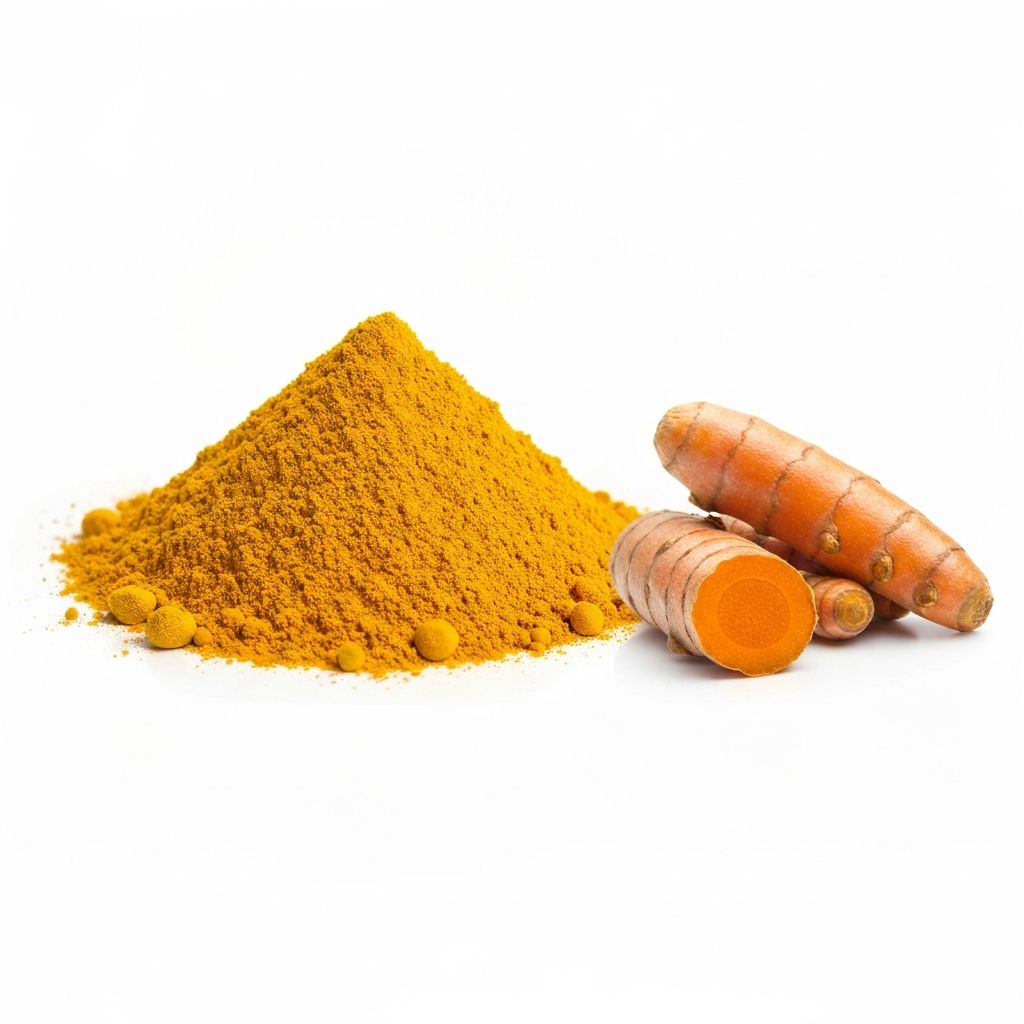
Turmeric & Curcumin
Turmeric, a golden spice used in traditional cuisines, contains curcumin, a compound of interest to researchers studying wellness. It is explored for its potential to support general wellness and comfortable living.
Historical use spans centuries in various cultures for wellness support. Modern scientific interest focuses on understanding its properties and role in balanced nutrition.
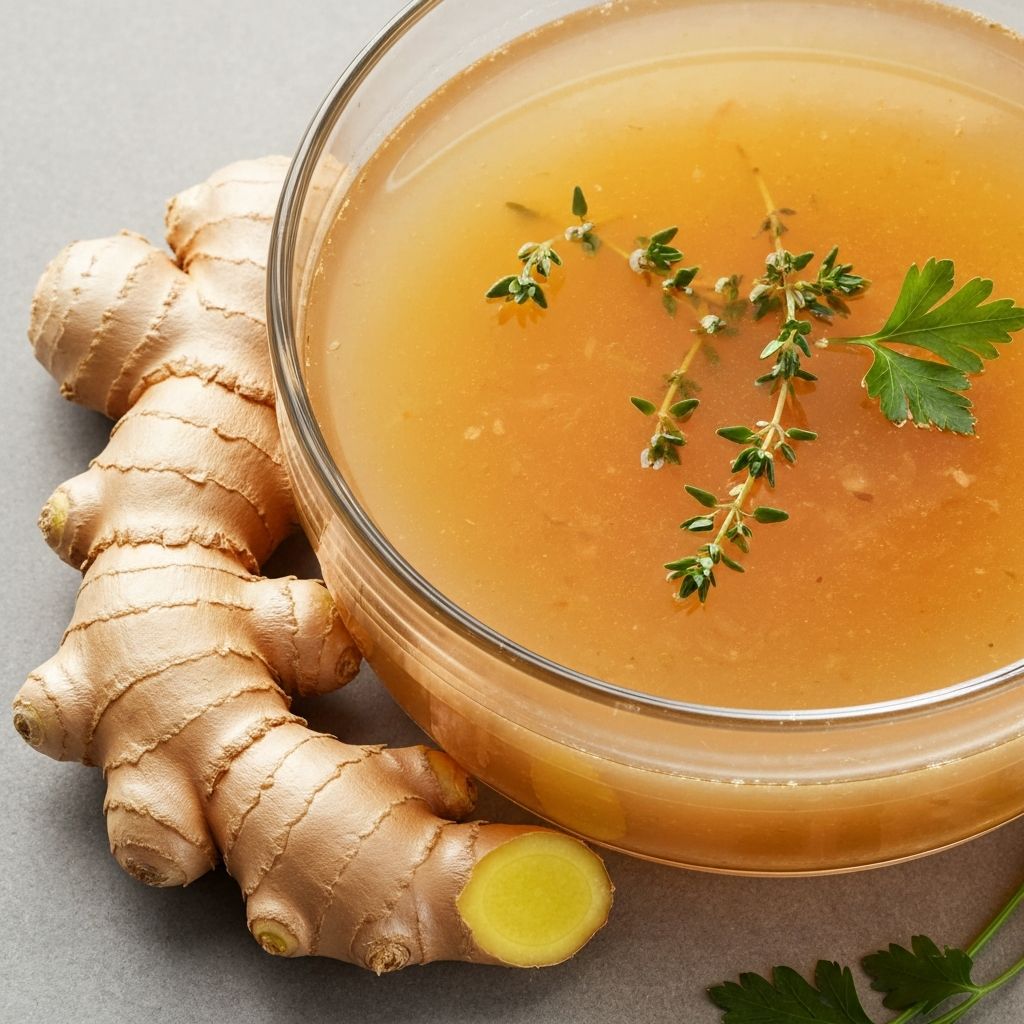
Ginger & Collagen
Ginger is a widely used ingredient in traditional cooking and wellness practices. Collagen, a protein found in bone broth and other sources, provides structural support for connective tissues.
Both ingredients are explored in nutritional science for their contributions to overall wellness and maintaining comfort in daily activities.
Berries & Antioxidants
Berries and leafy greens are rich in antioxidants and phytonutrients that support overall wellness. These plant foods contribute to balanced nutrition and healthy lifestyle choices.
Scientific research explores how antioxidant-rich foods support general health and vitality as part of a comprehensive wellness approach.

Scientific Perspective on Joint Support
Modern research examines how natural ingredients function at the cellular and molecular level to support wellness. Understanding the science behind these ingredients helps inform choices about nutrition and lifestyle.
How Nutrients Support Joint Health
Collagen forms the structural matrix of cartilage and connective tissues. Vitamin C supports collagen synthesis, while minerals like magnesium play roles in bone mineralization and muscle function. Understanding these relationships helps explain why balanced nutrition matters.
Inflammatory Response & Wellness
The body's natural inflammatory response is essential for healing. Research explores how certain nutrients and lifestyle practices support the body's ability to manage this response as part of maintaining overall wellness.
Cellular Support Through Nutrition
At the cellular level, antioxidants help protect cells from oxidative stress. Proteins provide amino acids needed for tissue repair and maintenance. This foundational understanding supports informed nutritional choices.
Healthy Lifestyle and Movement
Physical Activity & Mobility
Regular physical activity is fundamental to maintaining joint health and overall wellness. Movement strengthens muscles that support joints, maintains flexibility, and contributes to cardiovascular health.
- Stretching and flexibility exercises maintain range of motion
- Strength training supports muscles that protect joints
- Low-impact activities like walking and swimming provide cardiovascular benefits
- Yoga and tai chi combine movement, balance, and mindfulness
- Consistency in activity supports long-term wellness

Rest & Recovery
Adequate rest is equally important as activity. Sleep, stress management, and recovery periods allow the body to repair and rebuild. A balanced approach combining activity and rest supports overall wellness.
Facts About Natural Extracts & Ingredients
This table presents general information about commonly discussed botanical ingredients and their roles in nutritional science.
| Ingredient | Primary Source | Common Forms | General Role in Wellness |
|---|---|---|---|
| Turmeric | Curcuma longa root | Powder, extract, supplement | Explored for antioxidant properties and wellness support |
| Ginger | Zingiber officinale root | Fresh, dried, powder | Supports digestion and general wellness |
| Glucosamine | Shellfish or plant sources | Supplement | Component of cartilage, studied for joint support |
| Chondroitin | Animal cartilage | Supplement | Part of cartilage matrix, explored in research |
| Collagen | Bone broth, fish, supplements | Peptides, whole form | Structural protein for connective tissues |
| Boswellia | Tree resin extract | Extract, supplement | Traditional use, studied for wellness support |
| MSM | Naturally occurring sulfur | Supplement | Studied for potential role in connective tissue health |
| Omega-3s | Fish, flax, algae | Supplement, food | Support overall health and balanced nutrition |
Myths and Realities About Joint Health
Myth: Quick Fixes
Reality: Joint health is built through consistent lifestyle choices including nutrition, movement, and adequate rest over time.
Myth: One Size Fits All
Reality: Individual approaches vary based on genetics, lifestyle, and personal health situations. Consultation with healthcare providers is important.
Myth: Natural = Always Safe
Reality: Natural ingredients should be used thoughtfully. Interactions with medications and individual sensitivities exist. Professional guidance is valuable.
Historical Context: Traditional Use of Natural Remedies
Across Cultures and Time
For thousands of years, various cultures have used natural ingredients to support wellness and maintain vitality. Traditional medicine systems from Asia, Africa, Europe, and the Americas all include botanical remedies for joint and mobility support.
These traditional practices inform modern scientific research, which seeks to understand the mechanisms behind these historical uses. While tradition alone doesn't prove efficacy, it provides a foundation for scientific investigation.
- Ayurvedic medicine uses turmeric and ginger for wellness
- Traditional Chinese Medicine includes ingredients like boswellia
- African and European herbalism explores similar plant compounds
- Native healing traditions incorporate movement and nutrition

Recommendations for a Balanced Diet Supporting Joint Wellness
A balanced approach to nutrition supports overall health and joint wellness. Here are food categories and examples that contribute to comprehensive nutrition:
- Protein sources: Fish, poultry, legumes, nuts, seeds (support muscle and tissue)
- Colorful vegetables: Leafy greens, bell peppers, broccoli, carrots (rich in antioxidants)
- Fruits: Berries, oranges, kiwi (vitamin C for collagen synthesis)
- Whole grains: Oats, quinoa, brown rice (fiber and nutrients)
- Healthy fats: Olive oil, avocados, fatty fish (omega-3s and vitamin E)
- Dairy or alternatives: Milk, yogurt, fortified plant-based options (calcium and vitamin D)
- Herbs and spices: Turmeric, ginger, garlic (flavorful and nutrient-dense)
- Hydration: Water as the primary beverage (essential for tissue health)

Questions and Answers: Common Inquiries
The Importance of Hydration in Joint Wellness
Water & Tissue Elasticity
Water is fundamental to human health and joint function. Adequate hydration supports:
- Cartilage nutrition and elasticity
- Synovial fluid production, which lubricates joints
- Nutrient transport to cells
- Waste removal from tissues
- Overall body temperature regulation
- Muscle function and recovery
Most health guidelines recommend approximately 8 glasses (2 liters) of water daily, though individual needs vary based on activity level, climate, and health status.

Important Context: About This Educational Content
Informational Purpose: All content on Sopix is educational and designed to provide general knowledge about nutrition, natural ingredients, and lifestyle factors related to joint wellness.
Not Personal Medical Advice: This information is not tailored to individual health situations. Each person's health needs are unique.
Diverse Approaches: There is no single "correct" approach to wellness. What works for one person may differ for another based on genetics, lifestyle, and health circumstances.
Not a Replacement for Professional Guidance: Always consult qualified healthcare professionals before making significant changes to diet, supplements, or exercise routines, especially if you have existing health conditions or take medications.
Research Evolves: Scientific understanding of nutrition and natural ingredients continues to develop. Information is based on current knowledge.